Is Your Essay Human-Written or AI-Generated? The Tech That’s Changing Academic Integrity Forever
Let’s be real for a second. If you’re a student in 2024, you’ve probably at least thought about using AI tools like ChatGPT to help with your essays. I mean, why wouldn’t you? These tools can spit out paragraphs in seconds. But here’s the thing that’s keeping professors up at night — and students too, honestly — how do we know what’s actually you versus what’s AI-generated?
Enter the Essay Turnitin Detector, the technological superhero (or villain, depending on which side you’re on) that’s reshaping how academic institutions handle honesty in writing.
So What Exactly Is Turnitin Doing?
Turnitin isn’t new to the game. The company has been checking for plagiarism since the early 2000s. But now? They’ve leveled up big time. Their AI writing detection capabilities have been enabled by 98% of their customers, and according to recent data, by October 2025, approximately 15% of essay submissions processed by Turnitin contained more than 80% AI-generated writing — up from just 3% when they first launched the feature.
That’s a massive jump, and it tells us one thing: AI writing isn’t going away. So the tools designed to detect it aren’t either.
How Does Turnitin Actually Detect AI-Written Content?

Here’s where it gets interesting. Turnitin uses some seriously sophisticated methods:
- Forensic Linguistics — Analyzing writing patterns, sentence structures, and vocabulary choices to identify if a human actually wrote it
- Bot Writing Identification — Built from models that understand how AI typically generates text (because AI has its own “fingerprint”)
- Authorship Profiles — Comparing writing styles to determine who actually wrote the essay
- Similarity Scoring — Checking against millions of academic papers, websites, and other sources
The system highlights passages that might be flagged, giving educators a detailed breakdown of what’s going on in your essay. Pretty intense, right?
The Controversy: False Positives Are a Real Problem
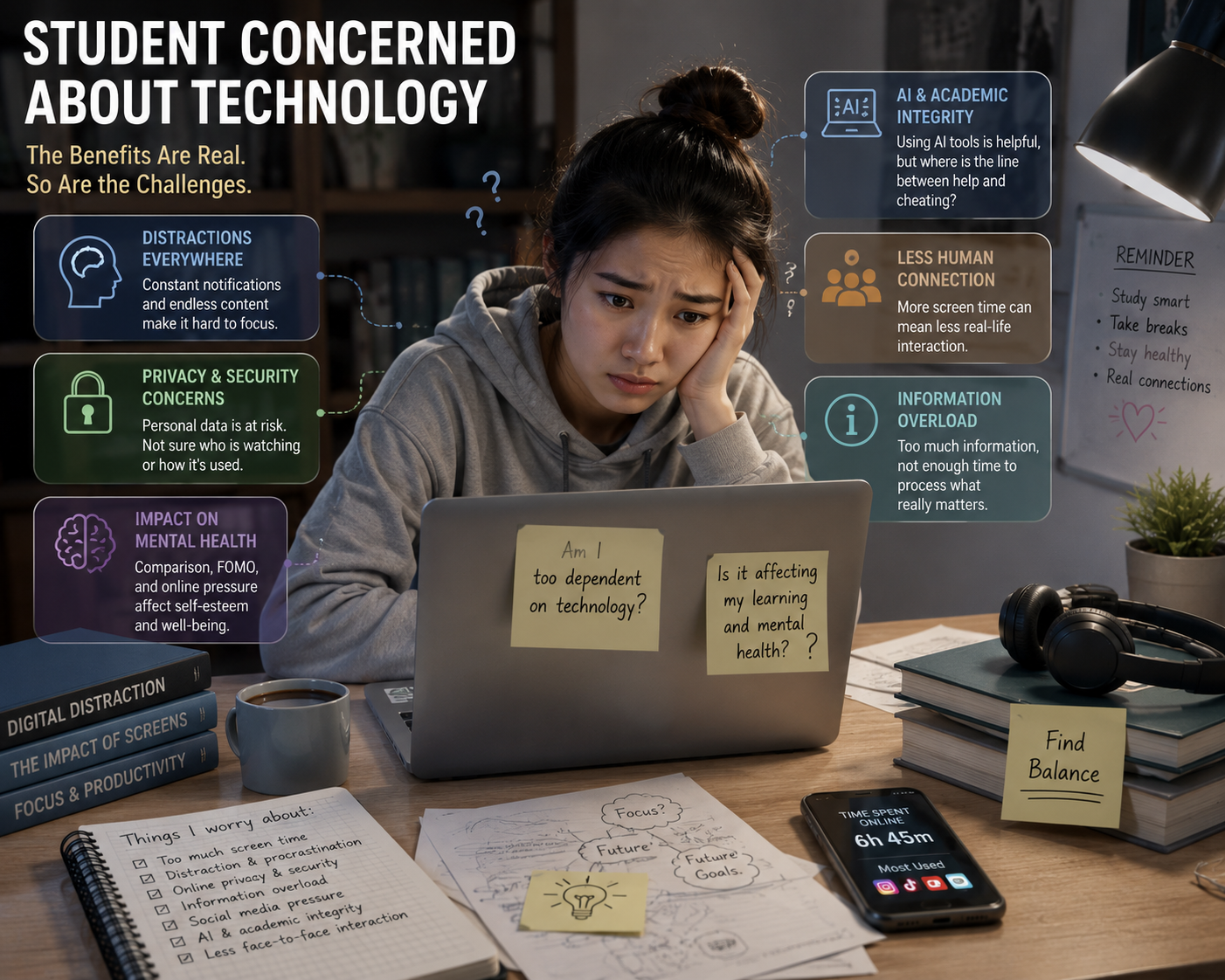
Now, let’s talk about the elephant in the room. While Turnitin’s AI detection is getting more accurate, false positives are still a genuine concern. Some students have been wrongly accused of using AI when they wrote everything themselves. This happens because:
- Some students naturally write in a very structured, “AI-like” style
- Heavy use of grammar checking tools can alter writing patterns
- The technology isn’t perfect — nothing is
Turnitin themselves acknowledge this issue and have published guides on how educators should address false positives. The key is understanding that these tools should assist human judgment, not replace it entirely.
What Does This Mean for Students?
Honestly? It’s a wake-up call.
If you’re relying on AI to write your entire essay, you’re playing a risky game. Even if you think you’re being clever, these detection tools are getting better every single day. And honestly? Using AI isn’t the real problem — it’s how you use it.
Here’s the thing: AI can be an amazing study buddy. It can help you brainstorm ideas, edit your writing, or explain concepts you don’t understand. But submitting AI-generated text as your own work? That’s where you lose the plot — and potentially your academic standing.
The Bottom Line
The Essay Turnitin Detector represents a massive shift in how we think about academic integrity. Whether you’re a student trying to navigate this new landscape or an educator trying to maintain standards, one thing is clear: transparency is everything.
My advice? Use AI tools as a supplement to your learning, not a replacement for it. Write authentically, cite properly, and remember — the best essays come from your own thoughts and voice. No detector can flag genuine creativity and critical thinking.
The technology will keep evolving. The best response? Evolve with it — but stay true to yourself in the process.
Useful Tools
- Essay Humanizer - Make your essay sound more human-written
- AI Detector - Check if your text sounds AI-generated
- Free Citation Generator - Generate citations in multiple formats
- Math Solver - Solve math problems step by step